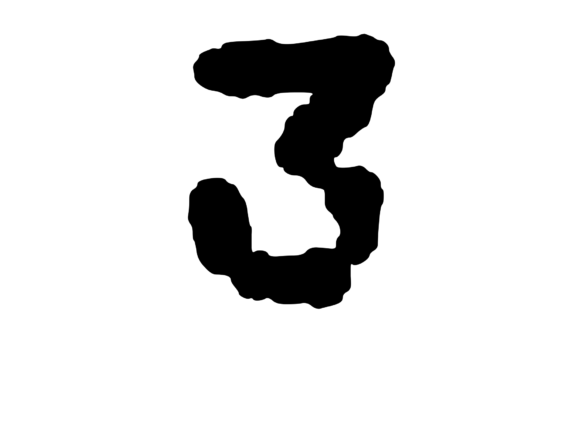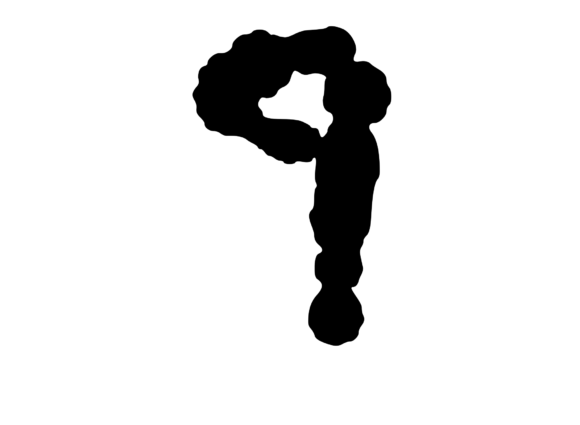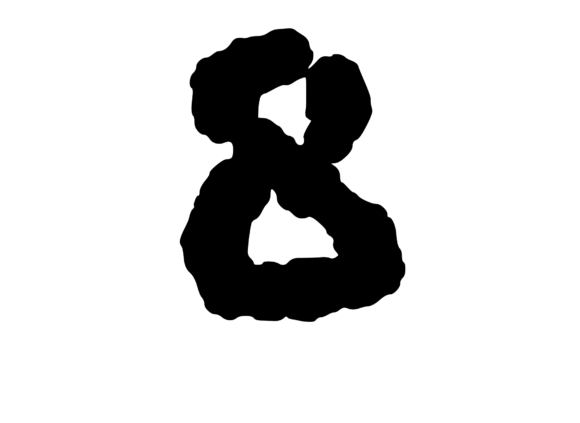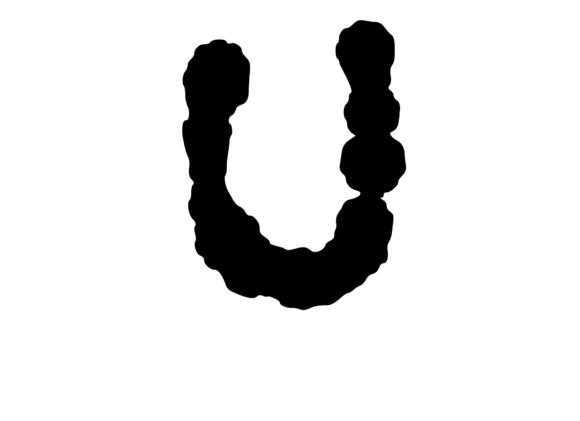
Ink Blot Stain Mono Number 1 Review
A First Look at Ink Blot Stain Mono Number 1
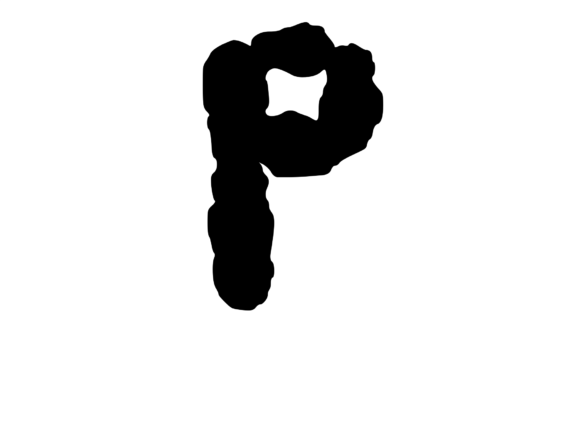
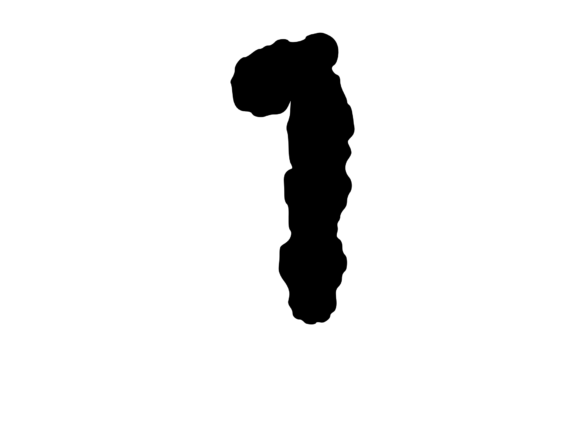
As a designer who’s spent years working with embroidery, I know how important it is to find designs that feel both unique and versatile. When I first saw Ink Blot Stain Mono Number 1, I was immediately drawn to its simple yet expressive shape. The design has a classic, slightly whimsical vibe that feels like it could be part of a story or a creative project. It's not overly detailed, which makes it feel more like an idea than a rigid illustration.
The ink blot motif is something that can easily translate into many different contexts—whether it's for a playful baby item, a personalized gift, or even a boutique branding piece. Its monochrome nature gives it a clean, modern edge while still holding that artistic flair. This kind of design doesn’t scream for attention but still stands out in the right setting.
How Ink Blot Stain Mono Number 1 Works in Real Embroidery Projects
I’ve tested this design on a few different surfaces to see how it performs in real-life situations. One of my favorite applications was using it as a custom embroidered patch for a tote bag. The simplicity of the design allowed it to sit nicely against the fabric without overwhelming the overall look. The lines were crisp, and the stitch density was just right for a smooth finish.
This design would work well on a variety of items like sweatshirts, tote bags, pillow covers, and even aprons. It’s also a good candidate for custom apparel where subtle, meaningful details are key. For baby embroidery or nursery decor, it could add a touch of creativity without being too bold.
If you're an Etsy seller or running a craft business, this design could fit well into your product line. It has a timeless quality that might appeal to customers looking for something unique yet understated. As a handmade product, it adds value by giving the finished item a personal, artisanal feel.
Where to Use Ink Blot Stain Mono Number 1 with Caution
While Ink Blot Stain Mono Number 1 is a great all-rounder, there are some scenarios where it might not shine as brightly. On very small hoop sizes, the detail can get lost, so it’s best to test it on scrap fabric before committing. Similarly, if you're working with textured fabrics or thin fabric, the stitching may not hold up as well.
When using it on dark fabric or layered garments, make sure the thread color contrasts enough to stand out. Also, be mindful when placing it on curved surfaces like caps or hats, as the design’s edges may need extra stabilization. If you're aiming for commercial embroidery, check the file format and confirm whether it's suitable for high-volume production.
Design Notes for Embroidery Professionals
Before using Ink Blot Stain Mono Number 1 in any project, I recommend testing it on a scrap fabric to see how the stitches behave. Pay close attention to the stitch density and thread colors—especially if you're planning to use it on light or dark backgrounds. A good stabilizer will help ensure the design stays crisp and clean.
For printable mockups or digital product previews, try rendering it in black and white to see how it looks across different fabric types. This is especially important if you're selling design assets or embroidery files online. Always check the licensing terms to make sure you’re allowed to use it for commercial purposes or digital sales.
If you're an apparel decorator or small shop product creator, consider how this design fits into your brand identity. It’s a great choice for personalized gifts or holiday embroidery projects, but it should align with the overall aesthetic of your other products.
Final Thoughts on Ink Blot Stain Mono Number 1
Ink Blot Stain Mono Number 1 is a design that doesn’t shout but still commands attention. It’s perfect for those who want to add a subtle, artistic touch to their embroidered patches, custom apparel, or handmade products. Whether you're an embroidery designer, crafts hobbyist, or small business owner, this design offers a lot of flexibility and potential.
It’s not the most complex design out there, but that’s exactly what makes it so versatile. With the right preparation and attention to detail, it can become a standout feature in your next project. Just remember to test it thoroughly, choose the right materials, and always keep the final finished product in mind when selecting your design elements.