Graphic Frame 4 Review for Embroidery Projects
A First Look at Graphic Frame 4
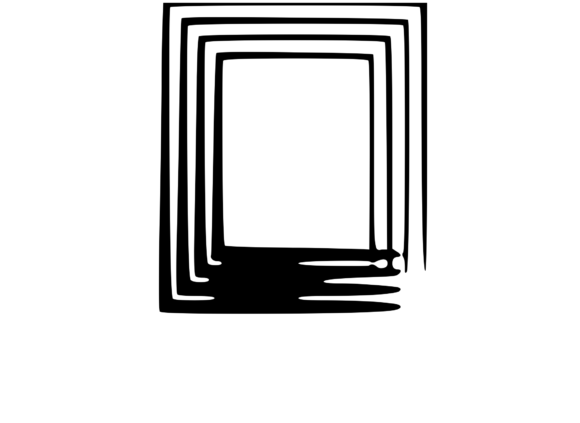
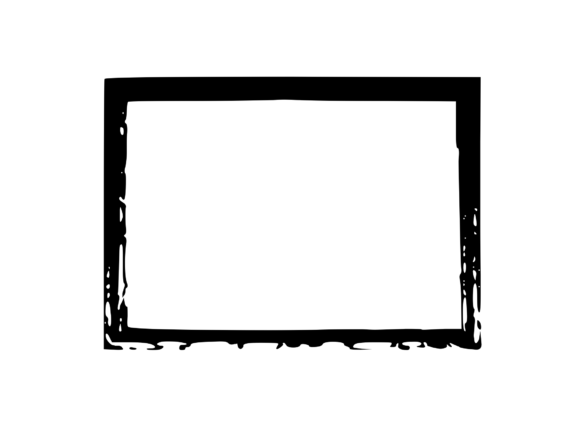
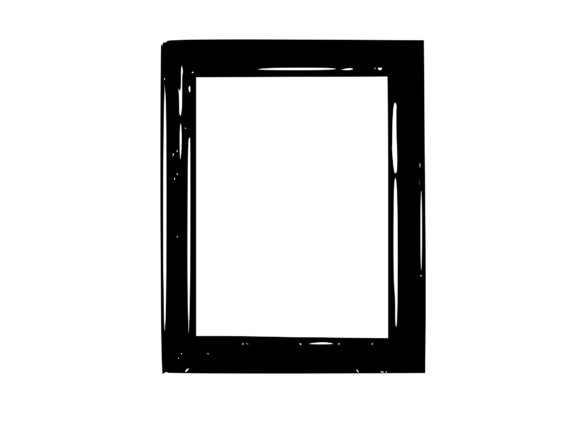
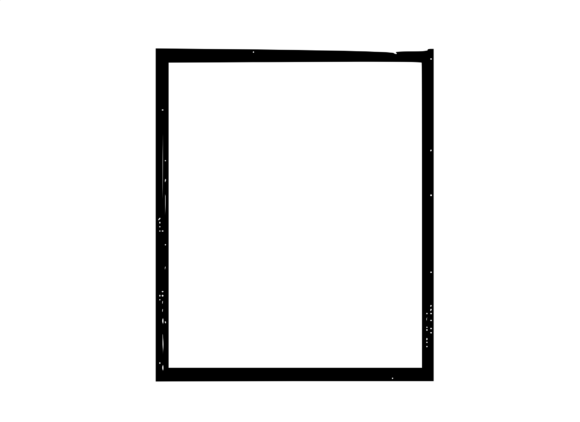
When I first opened the Graphic Frame 4 SVG file, I was immediately drawn to its clean, modern aesthetic. The design feels bold yet versatile, with a minimalist structure that makes it easy to imagine in various contexts. It has a strong visual presence without being overwhelming, which is perfect for projects where the embroidery needs to stand out but still complement the overall look of the item.
The layout is simple and centered, with a clear focal point that works well for logos, labels, or even personalized names. The use of negative space gives it a balanced feel, and the shape itself suggests a frame or border, making it ideal for framing text or other smaller designs.
Real-Life Use: Custom Embroidered Tote Bag
Let’s imagine using Graphic Frame 4 on a custom embroidered tote bag. As a designer, I’d start by considering how the design would look when stitched onto a larger fabric surface. The frame-like structure would make it a great addition around a name or a short phrase, adding a professional touch to the finished product.
I can see this design working well as a border or background for a monogram, especially on a canvas tote or a linen bag. Its simplicity allows it to blend seamlessly with more detailed embroidery elements while still drawing attention. The clarity of the lines ensures that the stitch definition remains sharp, even on a larger scale.
If used on a sweatshirt or baby onesie, the same logic applies—Graphic Frame 4 provides a structured base that elevates the embroidery without competing with the garment’s design. For a holiday gift or personalized item, this could be the perfect way to add a branded or custom element that feels both professional and approachable.
Where Graphic Frame 4 Shines
Graphic Frame 4 is a versatile machine embroidery design that fits into a wide range of applications. From custom apparel like t-shirts and caps to handmade products such as aprons, pillow covers, and kitchen towels, this design adds a polished finish to any project.
It’s particularly well-suited for embroidered patches, where its structured form can serve as a border or backing for more intricate details. In commercial embroidery settings, it acts as a reliable design asset that maintains consistency across multiple items, which is essential for craft businesses and Etsy sellers.
For digital product sellers, Graphic Frame 4 can be used as part of a printable mockup or as a standalone embroidery file for clients looking to personalize their own items. It’s also a solid choice for nursery decor or holiday gifts, where a clean, elegant look is desired.
Design Considerations and Limitations
While Graphic Frame 4 is highly adaptable, there are certain scenarios where extra care should be taken. When working with small hoop sizes, the design might lose some of its detail, so testing it on scrap fabric first is always a good idea. On textured fabrics or thin materials, the right stabilizer becomes crucial to prevent puckering or distortion.
For stretchy fabrics like knits or jerseys, using a hoop size that accommodates the fabric’s stretch is important. If you plan to use this design on dark fabric, selecting thread colors with enough contrast will ensure the embroidery stands out. On layered garments or curved surfaces like caps, adjusting the placement and stitch density can help maintain the design’s integrity.
Also, keep in mind that tiny lettering or dense stitch areas might not render as clearly if the design isn’t optimized for those conditions. Always review the stitch density and consider scaling the design appropriately based on the final finished product and embroidery project requirements.
Practical Embroidery Designer Notes
Before committing to using Graphic Frame 4 in a client project or for sale, take the time to test it thoroughly. Start by stitching it on a scrap piece of fabric similar to what you’ll be using. This helps identify any potential issues with thread colors, stabilizer requirements, or hoop size limitations.
Review the stitch density and ensure that the design doesn’t become too dense or too sparse depending on the fabric type. For handmade products, checking the design in both black and white mockups and against different light and dark fabric backgrounds can reveal how well it translates visually.
If you’re planning to sell finished items or digital versions of this design, confirm the licensing terms before moving forward. Always ensure that your craft business or small shop product aligns with the intended use of the embroidery file.
Finally, remember that Graphic Frame 4 is a valuable design asset that can elevate the quality and professionalism of your embroidery project. Whether you're creating personalized gifts, small shop merchandise, or commercial embroidery, this design offers a clean, functional foundation that can be adapted to suit a variety of needs.